→ CURRENT
EXHIBITION
Mariuccia Secol:
Unraveling
Curated by
Monika Branicka and Eva Brioschi
on view until 1.11.2026
A stretchmark in my work, symbolically and painfully marked by pregnancy and by the experience of women, will
be elaborated in subsequent works, almost always on a black background.
The fine black cloth – byssus is important.
Through the openings in the stretchmark, almost dug out, light appears, an image appears, knowledge appears
Mariuccia Secol
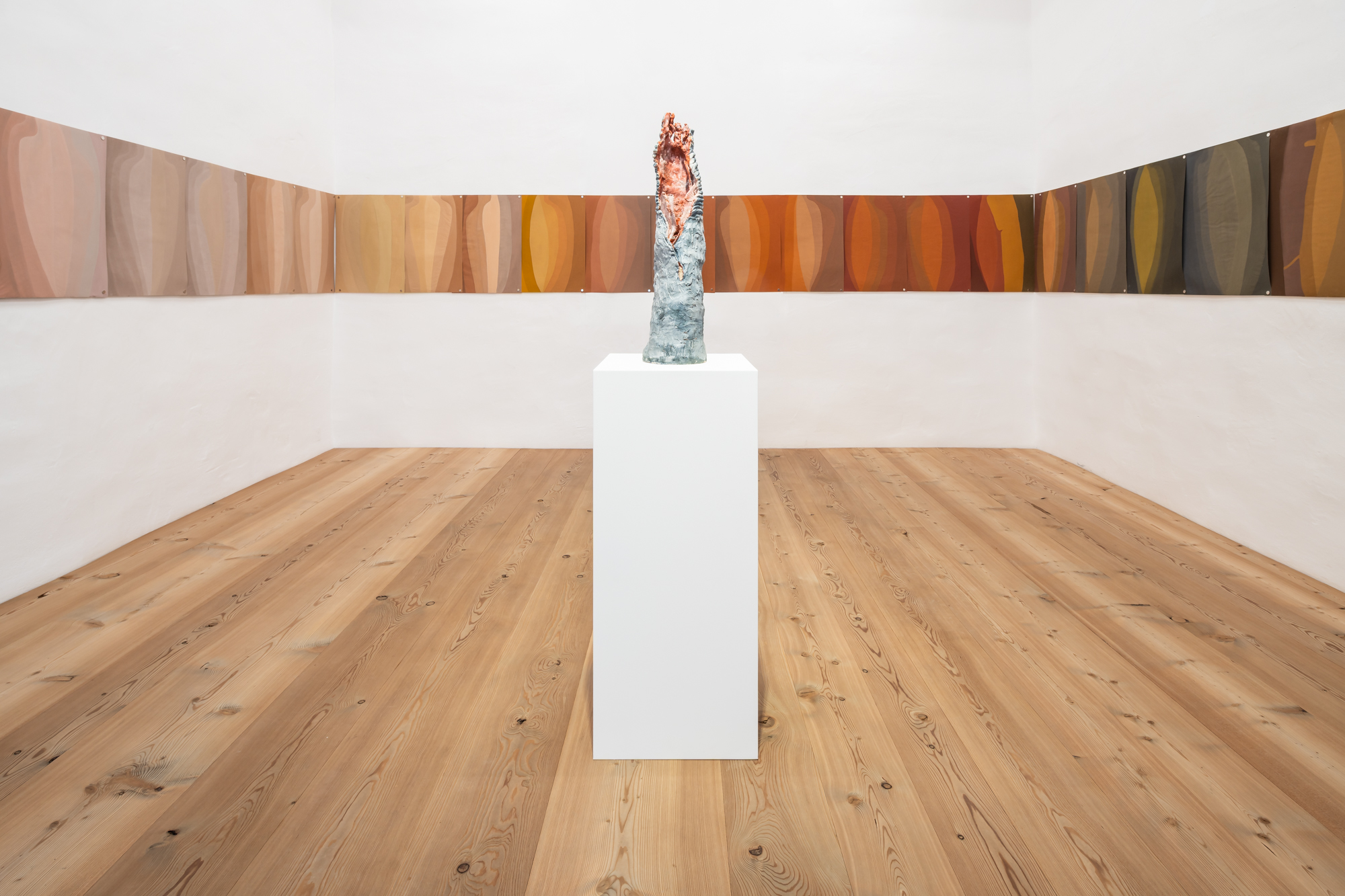
Mariuccia Secol: Unraveling, the first major institutional retrospective dedicated to the versatile Italian artist and activist Mariuccia Secol (b. 1929) features over seventy years of her artistic practice, offering a comprehensive view of a body of work that combines radical feminism, social critique, and historical rediscovery.
The exhibition traces Secol's evolution from her early paintings in the 1950s and 1960s, which feature existential themes and the trauma of war (Burnt Cities, Holocaust). A significant and lasting influence was her work as a teacher in the painting atelier of the Bizzozero–Varese psychiatric hospital (1965–1988), during a period of radical change, largely shaped by the ideas of the revolutionary Italian psychiatrist and neurologist Franco Basaglia. In this marginalized setting, Secol realized that creativity could serve as a tool for self-determination and healing.
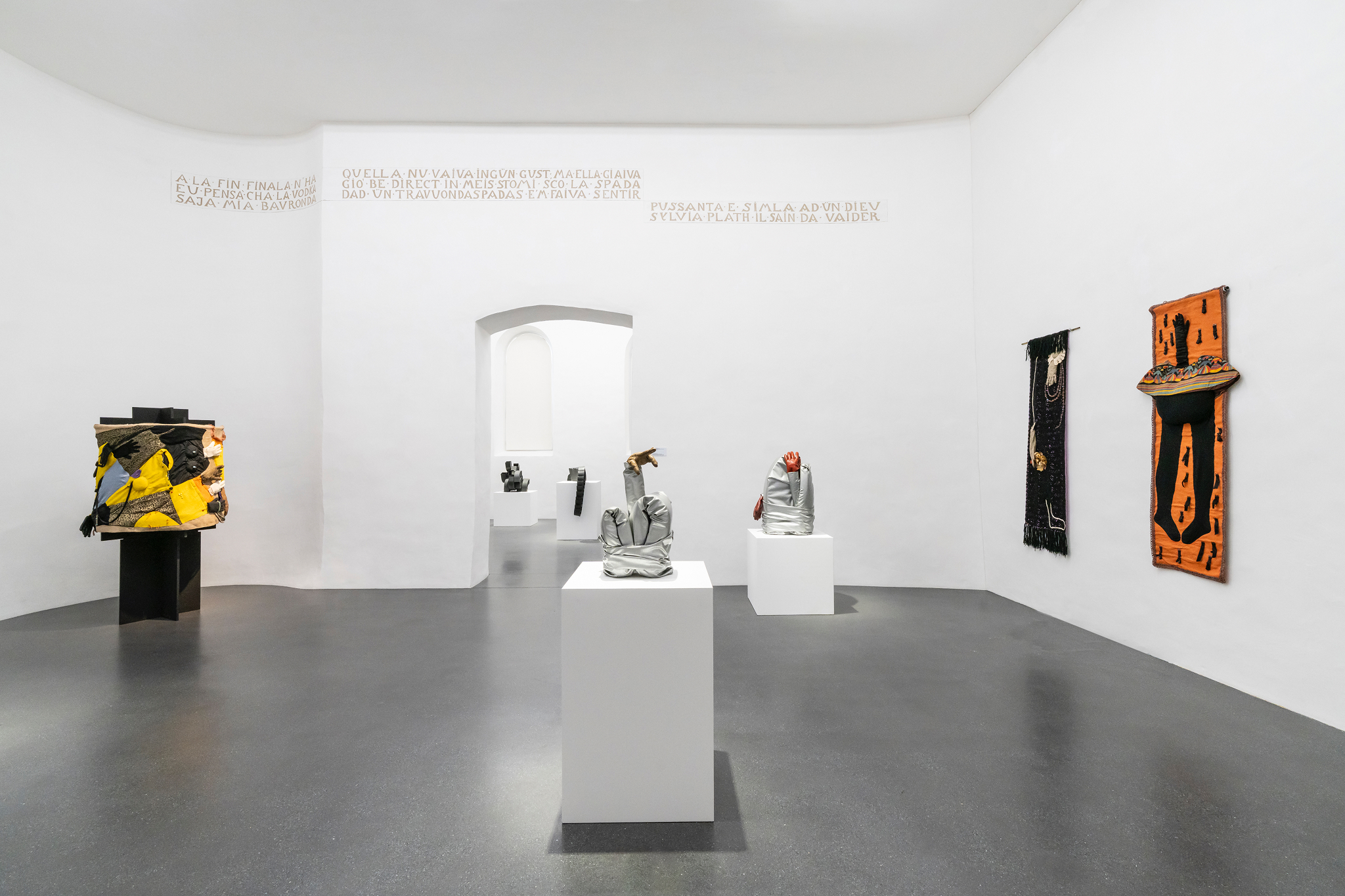
Influenced by the protest climate of 1968 and emerging feminist movements, Secol incorporated methods of political pressure, such as strikes, into her artistic practice. She abandoned her “quiet brushes” to work with everyday and domestic materials, like aprons and metal sponges, which she called “instruments of the female role” that became the raw material for an act of refusal. The iconic series The Doll's House (1970-73), created by dismantling her own clothes (including the wedding dress), marked her clear rejection of the unique roles of wife and mother.
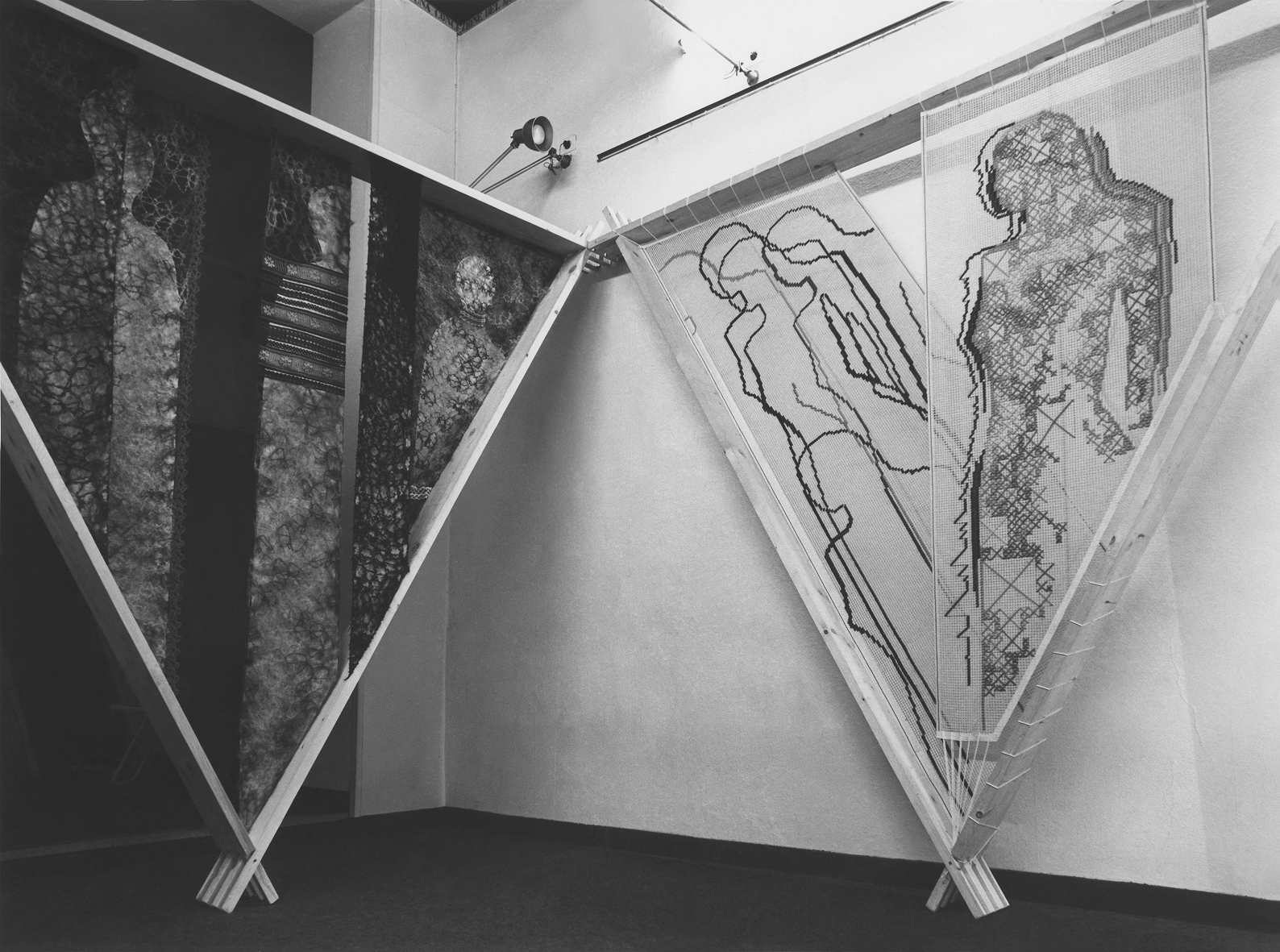
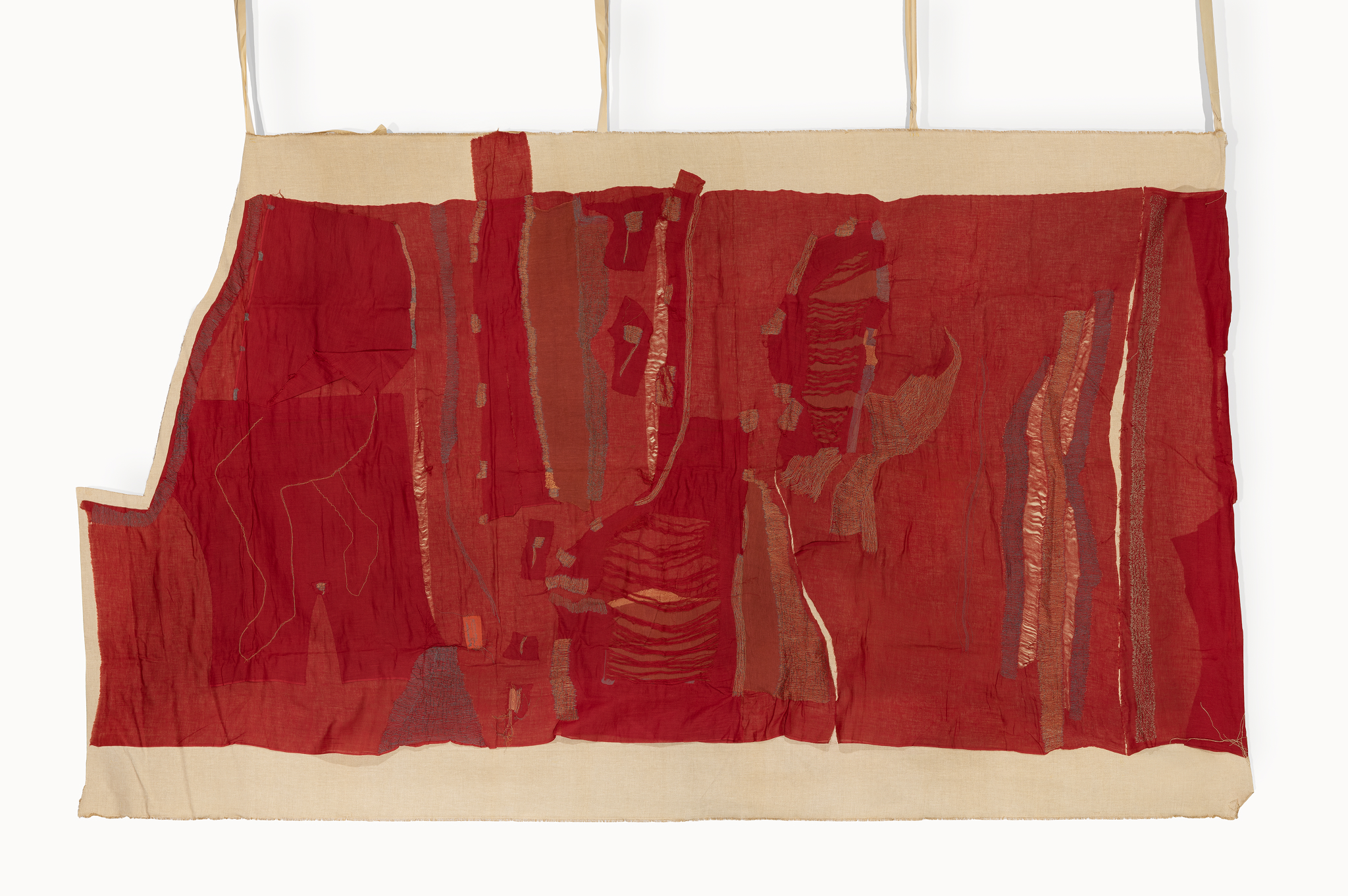
The exhibition also presents documentation of the group's historic participation in the 1978 Venice Biennale and emphasizes the development of Secol’s unique formal language, centered on the idea of "refusal." Instead of weaving, Secol removes threads from the fabric's structure, creating gaps and tears that symbolize wounds of the female body, stretchmarks caused by pregnancies, and the emergence of light and knowledge through inner exploration. In relation to this technique, the exhibition title has a double meaning and also symbolizes problem-solving, the release of creative power, liberation, and emancipation from patriarchy. Mature works like Animus-Anima (1982) and Woman bridge (1989) demonstrate how human fiber is deconstructed to make room for thought.
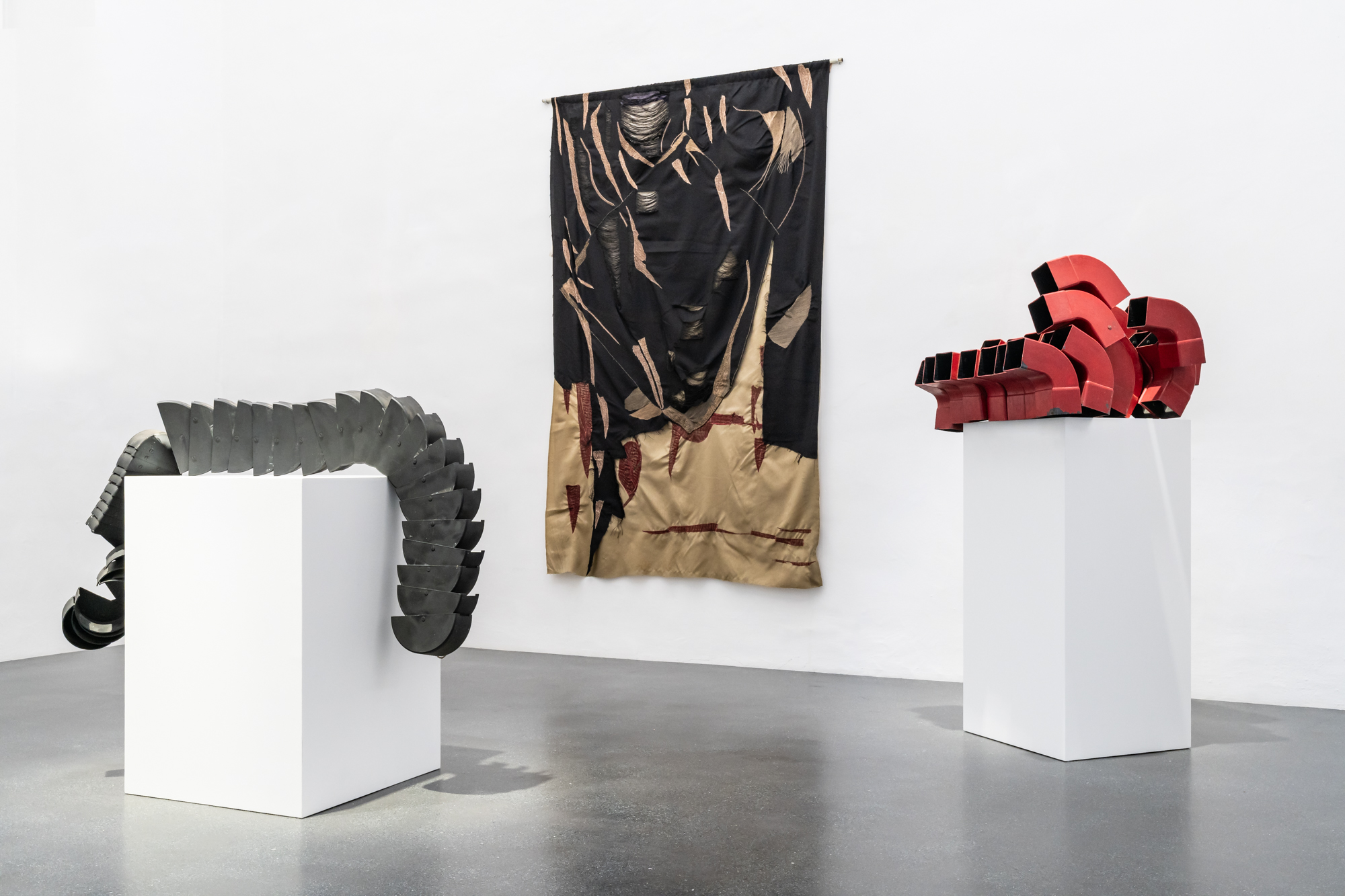
In recent decades, Secol's work has expanded into a global critique, addressing issues like migration crises, international conflicts, and ecological collapse. Secol was ahead of her time in developing a form of intersectionality that brings together women's struggles with the defense of all marginalized or oppressed identities. Mariuccia Secol: Unraveling is more than just an exhibition; it features a “rebellious archive” that challenges mainstream art history and broadens narratives about the last century.
-186%201-2.jpg)
Exhibition is part of Muzeum Susch’s ongoing commitment to researching and exhibiting the work of women artists from Central and Eastern Europe, seeking to piece together a more complete and inclusive history of modern and contemporary art. It is accompanied by a major book co-published with Hatje Cantz, featuring newly commissioned essays by Monika Branicka, Eva Brioschi, Maria Bremer, Sonia D'Alto, Janis Jefferies, Marco Scotini, and an interview with Manuela Gandini.
This retrospective aligns with Muzeum Susch's founding mission: to elevate women artists from the international avant-garde who have been overlooked or misunderstood, giving them equal recognition with their male peers. Mariuccia Secol, whose work has long been excluded from mainstream narratives, now emerges as one of Italy's most original voices in the post-war art scene. It shows an artist who, from the very beginning, has devoted herself to topics such as exclusion, marginalization, experience of violence, and ecology.
Mariuccia Secol was born in Castellanza, Varese, in 1929. She is an Italian artist and activist, trained under Galliano Mazzon and Francesco Fedeli. She settled in Daverio in 1954, transforming her home into a lively cultural salon frequented by intellectuals such as Munari, Baj, and Sciascia. Her leadership of the painting atelier at the Bizzozero psychiatric hospital from 1965 to 1988, where she experienced the Basaglia revolution, was fundamental. In the wake of 1968 and feminism, Secol embraced the “creativity of refusal”, abandoning brushes for textiles and domestic materials. In 1974, she co-founded the Gruppo Femminista Immagine Varese and campaigned for wages for domestic work. She invented a process of removing threads from fabric that evokes the body's wounds. Her practice evolved towards an intersectional commitment, addressing ecological crises, migration, and universal violence. Secol dismantles imposed roles to stitch together a new collective and conscious identity. Main exhibitions: 1976: Mostra collettiva femminista, Centro La Maddalena, Roma; 1978: Biennale di Venezia (Spazio Aperto); 1980: La mamma è uscita, Galleria Gruppo Cavedra, Varese; 1982: Animus-Anima, Daverio; 1983: Attraversamento su Gustav Klimt, Varese, Vienna e Cagliari; 1985: Féminité 85, UNESCO, Paris and Gulbenkian Foundation, Lisbon; 1986: 102e Salon de l’Union des femmes peintres, Grand Palais, Paris; 2019: The Unexpected Subject. 1978 Art and Feminism in Italy, Frigoriferi Milanesi, Milano.
Monika Branicka is an art historian, curator, journalist, and author. From 2007 to 2019, she ran the ŻAK BRANICKA gallery in Berlin, where she organized over 70 exhibitions, including those by Roman Opałka, Magdalena Abakanowicz, Agnieszka Polska, and many others. She is a former member of the organizing committee of Berlin Gallery Weekend and abc–art berlin contemporary. Together with Dr. Pirkko Rathgeber, she is the author of the Oral History project “Wir sind Avantgarde!” for the Staatliche Kunstsammlungen in Dresden. Recent exhibition projects include: The very first Edition (Neue Nationalgalerie Berlin, 2024), Holy Fluxus. Aus der Sammlung Francesco Conz (St. Matthäus Kirche, Berlin, 2024), Gabriele Stötzer (Galeria Monopol, Warsaw, 2021), Colette Lumiere. Stories from My Life (Galeria Monopol, Warsaw, 2025). She is a member of the program council of Kunstverein Ost e.V. (Berlin) and Stiftung Sammlung Dieter Scharf zur Erinnerung an Otto Gerstenberg (Berlin/Munich).
Eva Brioschi, based in Turin, is an art historian, curator, and author. She is the artistic director of the Antonio Dalle Nogare Foundation in Bolzano, the curator of the La Gaia Collection in Busca. She serves on the board of Carico Massimo in Livorno. Recent exhibition and publishing projects include: Toutité - ILIAZD The Study of Form, Fondazione Antonio Dalle Nogare, Bolzano 2025; Show Me Off. Paolo Masi welcomes Servane Mary, Galleria Frittelli, Florence 2024-2025; Under the Spell of Duchamp, Fondazione Antonio Dalle Nogare, Bolzano 2024; Werkstatt. Atelier dell'Errore, Richard Saltoun Gallery, Rome 2024; Ibrahim Mahama. Voli-ni, Eataly Art Foundation, Verona 2022 (Lenz Press, 2022); Henri Chopin. Body Sound Space, Quartz Studio, Turin 2020; Opera Aperta. Open Work, Courtesy Emilia Romagna, Arte Fiera, Bologna 2020; Moving Tales. Video Works from the La Gaia Collection, Church of San Francesco, Cuneo 2016 (Mousse Publishing, 2016); Landon Metz. Plose (Mousse Publishing, 2015).
International press:
Sutton Comms, London
Sara Kietzmann: sara@suttoncomms.com